The Most Common Mistakes UX Researchers Make (and How to Avoid Them)

Updated: Dec 27, 2025
User experience (UX) research plays a crucial role in designing products that truly meet users' needs. Yet, even experienced UX researchers can fall into common traps that reduce the value of their work. These mistakes can lead to misleading conclusions, wasted resources, and missed opportunities to improve user satisfaction. Understanding these pitfalls and learning how to avoid them helps researchers deliver clearer insights and stronger design recommendations.

UX Research Mistakes:
Mistake 1: Skipping Proper Planning and Defining Clear Goals
One of the biggest errors and ux research mistakes is starting research without a clear plan or specific goals. Without well-defined objectives, research can become unfocused and produce irrelevant data. For example, asking broad questions like “What do users think about our app?” often leads to vague answers that don’t guide design decisions.
How to avoid this:
Define precise research questions tied to product goals.
Identify what decisions the research should inform.
Choose methods that best answer those questions, such as usability testing for interface issues or surveys for user preferences.
Clear goals keep research targeted and actionable.
Mistake 2: Relying on Too Small or Unrepresentative Samples
Using too few participants or selecting users who don’t represent the target audience can skew results. For instance, testing a fitness app only with young athletes ignores the needs of older or less active users, leading to biased findings.
How to avoid this:
Recruit participants that reflect the diversity of your user base.
Aim for a sample size that balances depth and breadth. While 5-8 users can uncover major usability problems, larger samples may be needed for quantitative insights.
Use screening criteria to ensure participants match key demographics or behaviors.
This approach improves the reliability and relevance of findings.
Mistake 3: Leading Participants or Asking Biased Questions
Researchers sometimes unintentionally influence participants by asking leading questions or giving subtle cues. For example, asking “Did you find this feature easy to use?” suggests the expected answer and limits honest feedback.
How to avoid this:
Use neutral, open-ended questions like “Can you describe your experience with this feature?”
Avoid yes/no questions that limit detail.
Let participants express their thoughts freely without interruptions or hints.
Neutral questioning uncovers genuine user perspectives.
Mistake 4: Ignoring Context and Real-World Use
Testing users in artificial environments or ignoring how they use products in daily life can miss important insights. For example, observing users in a quiet lab setting may not reveal distractions or multitasking challenges they face at home.
How to avoid this:
Conduct field studies or remote testing to capture real-world behavior.
Ask participants about their environment and routines.
Consider factors like device type, location, and time constraints.
Understanding context helps design solutions that fit users’ actual needs.

Mistake 5: Focusing Only on Quantitative Data or Only on Qualitative Data
Relying exclusively on numbers or stories limits the full picture. Quantitative data like click rates show what users do but not why. Qualitative data like interviews explain motivations but may lack scale.
How to avoid this:
Combine methods to get both breadth and depth.
Use surveys or analytics for patterns.
Use interviews or usability tests for detailed understanding.
Balanced data leads to richer insights and better design decisions.
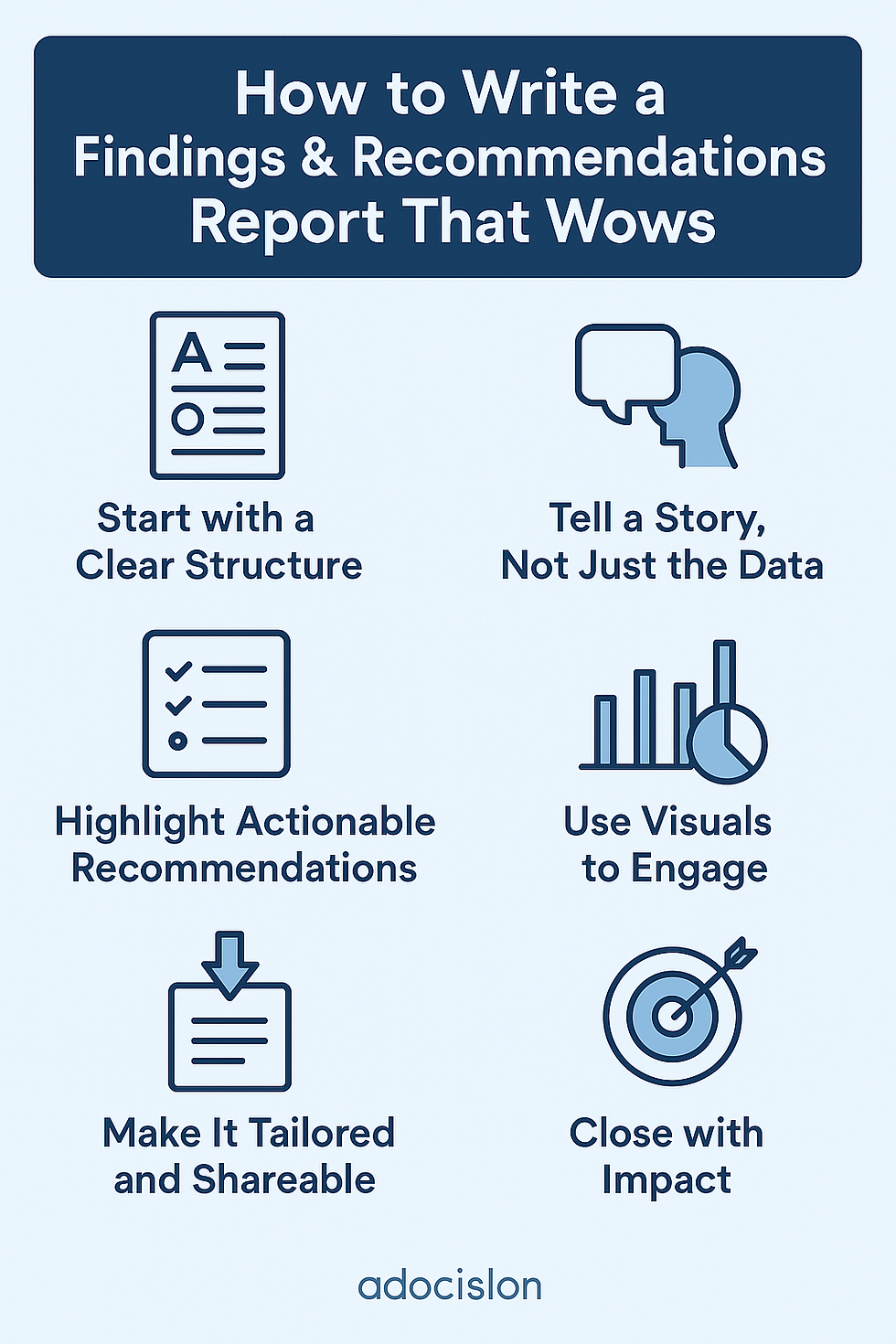
Mistake 6: Failing to Communicate Findings Clearly
Even the best research loses value if findings are unclear or buried in jargon. Stakeholders may ignore reports that are too long, technical, or lack actionable recommendations.
How to avoid this:
Summarize key insights in simple language.
Use visuals like charts, personas, or journey maps.
Highlight specific design suggestions tied to findings.
Tailor communication to the audience’s needs and knowledge level.
Clear communication ensures research influences product development.
Mistake 7: Not Iterating Based on Feedback
UX research is not a one-time task. Some researchers stop after initial testing and don’t revisit designs as they evolve. This misses opportunities to catch new issues or validate improvements.
How to avoid this:
Plan multiple rounds of research throughout the design process.
Use early testing to identify problems.
Test again after changes to confirm fixes.
Keep gathering user feedback post-launch.
Continuous iteration leads to stronger, user-centered products.


Comments