What Makes a Great UX Research Test Plan

Updated: Dec 27, 2025
Creating a UX research test plan is a critical step in understanding how users interact with a product. A well-crafted test plan guides the research process, ensures clear objectives, and helps teams gather meaningful insights. Without a solid plan, research can become unfocused, wasting time and resources. This post explores the essential elements that make a UX research test plan effective and practical.

Define Clear Research Goals
The foundation of any UX research test plan is a clear set of goals. These goals should specify what you want to learn from the test. For example, you might want to understand how easily users can navigate a new feature or identify pain points in the checkout process.
Tips for setting goals:
Focus on specific user behaviors or attitudes.
Avoid vague objectives like “improve user experience” without details.
Align goals with business needs and product priorities.
A clear goal helps shape the rest of the test plan, from the questions you ask to the tasks you assign.
Choose the Right Methodology
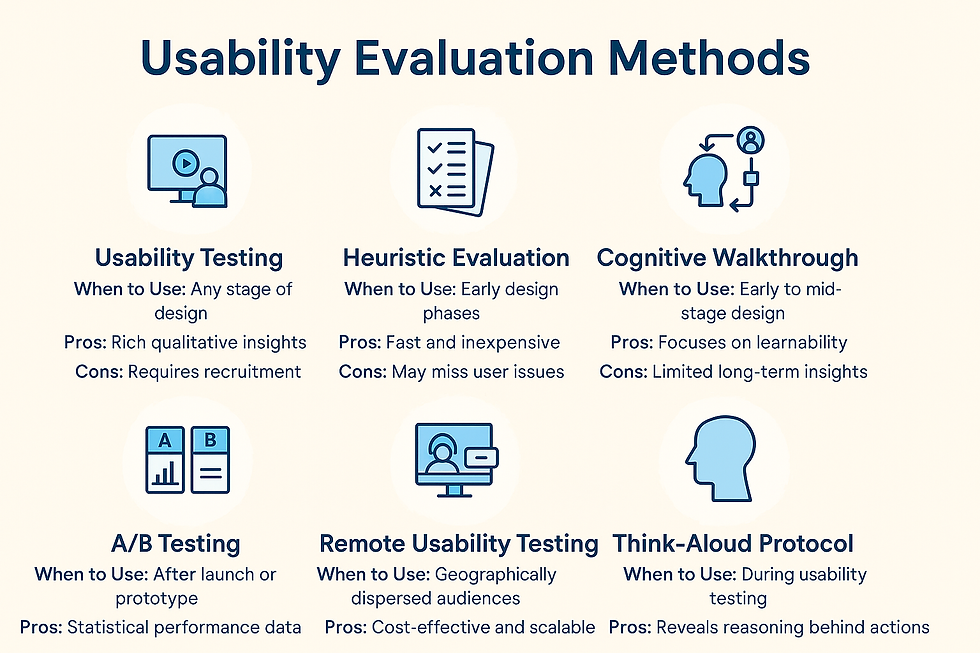
Selecting the appropriate research method depends on your goals and resources. Common UX research methods include usability testing, surveys, interviews, and A/B testing.
Consider these factors:
Usability testing works well for observing how users interact with a prototype or live product.
Interviews provide deep insights into user motivations and feelings.
Surveys can gather quantitative data from a larger audience.
A/B testing compares two versions of a design to see which performs better.
Choose a method that fits your timeline, budget, and the type of data you need.
Identify Your Target Users When Creating Your UX Research Plan
Knowing who will participate in your test is crucial. Your test plan should describe the user profiles or personas that match your product’s audience.
Include details such as:
Demographics (age, location, occupation)
Experience level with similar products
Specific needs or challenges related to your product
Recruiting the right participants ensures the data you collect reflects real user behavior and preferences.
Develop Realistic Tasks and Scenarios
Tasks should mimic real-world activities users would perform with your product. Avoid artificial or overly complex tasks that don’t reflect actual use.
Effective tasks are:
Clear and concise
Goal-oriented, such as “Find and purchase a product”
Representative of common user journeys
For example, if testing an e-commerce site, a task might be “Locate a pair of running shoes and add them to your cart.”
Prepare Detailed Test Materials
Your test plan should list all materials needed for the session. This includes prototypes, scripts, consent forms, and any tools for recording sessions.
Organizing materials helps:
Keep the test consistent across participants
Ensure smooth facilitation
Capture accurate data for analysis
Scripts guide moderators on what to say and when, helping avoid bias or leading questions.
Set a Clear Schedule and Logistics
Plan when and where the tests will take place, how long each session will last, and who will be involved.
Consider:
Remote vs. in-person testing
Time zones if participants are global
Backup plans for technical issues
A detailed schedule keeps the research on track and respects participants’ time.

Define Success Metrics
Decide how you will measure the success of your test. Metrics might include task completion rates, time on task, error rates, or user satisfaction scores.
Examples:
80% of users complete checkout without errors
Average time to find a product under 2 minutes
User satisfaction rating above 4 out of 5
Clear metrics help quantify findings and support decision-making.
Plan for Data Analysis and Reporting
Outline how you will analyze the data collected and share findings with stakeholders.
Include:
Methods for qualitative data coding or quantitative analysis
Tools for organizing and visualizing data
Timeline for delivering reports
A good plan ensures insights lead to actionable improvements.
Anticipate Challenges and Risks
Identify potential obstacles such as participant no-shows, technical problems, or biased responses. Include contingency plans to address these issues.
For example:
Have backup participants ready
Test all equipment before sessions
Train moderators to remain neutral
Being prepared reduces disruptions and maintains research quality.
Keep the Plan Flexible
While structure is important, allow room to adapt based on early findings or unexpected situations. Flexibility helps you respond to new questions or insights that arise during testing.


Comments